
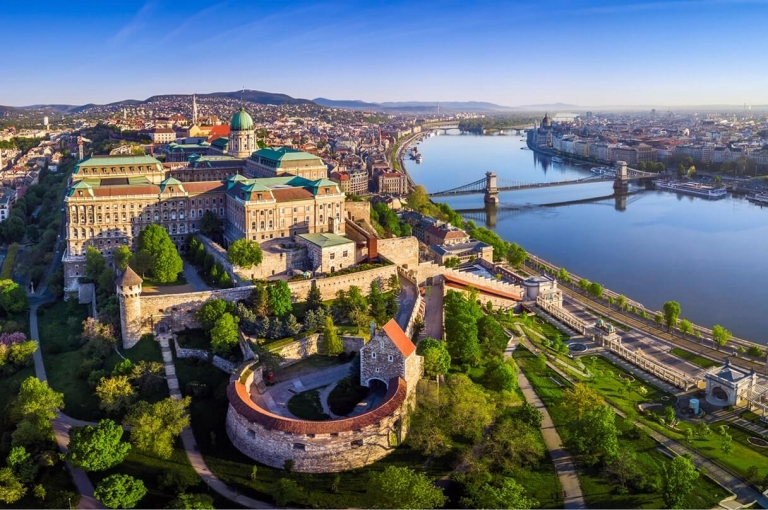
URBANEW EMC3 met in Budapest together with the Spanish Mission Cities and the cities of Pécs, Stavanger, Trondheim, Milan, Leuven, and Lund to explore a key aspect of the urban climate transition: governance with strategic stakeholders linked to the decarbonization of cities.
The meeting focused on a key issue for all the cities involved: how to evolve from the initial activation of the ecosystem towards structured, measurable commitments that are directly aligned with climate neutrality objectives. In the context of Climate City Contracts, the challenge was no longer just to design ambitious plans, but to build collaborative frameworks that would enable the will to be converted into verifiable results.
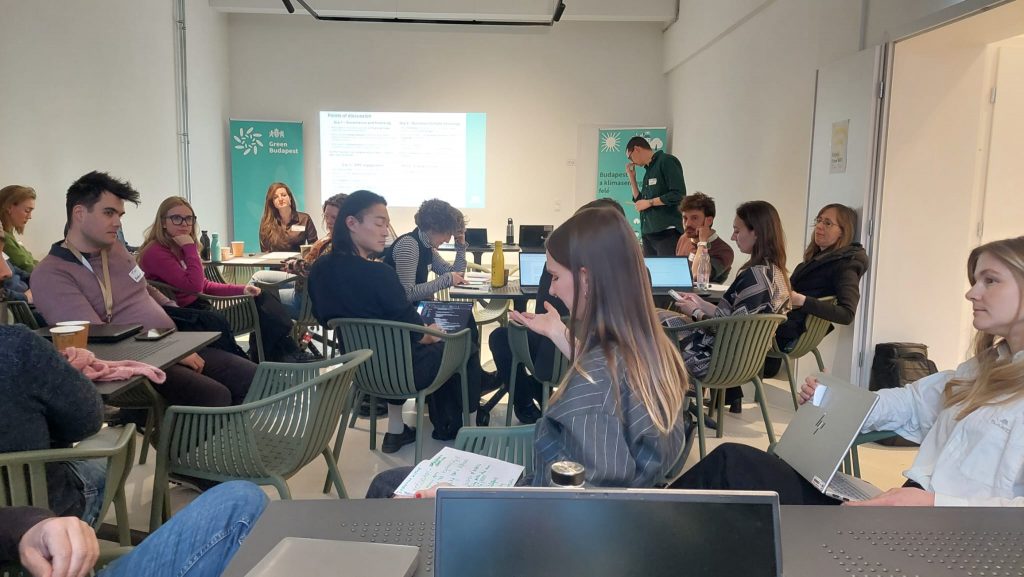
During the first day's session, Budapest and Pécs shared their experience in generating involvement from public and private actors. Both cities had worked with tools such as Memoranda of Understanding (MoUs), collaborative workshops, sectoral dialogue spaces, and technical support services to facilitate the participation of companies, financial institutions, social organizations, and other key actors. These tools had helped create an environment of trust, shared vision, and strategic alignment.
The debate focused particularly on the next step in the process. Once the relationship had been established and trust built, a crucial question arose: how to move toward commitments linked to concrete results. This meant, for example, getting companies to share actual greenhouse gas emissions data, adopt more ambitious reduction targets, or participate in financing and investment mechanisms aligned with the climate transition. The challenge was to transform declarative agreements into operational commitments that could be monitored and evaluated.
On the second day of the session, Stavanger and Trondheim explored this same line of work in greater depth, presenting their approaches to consolidating collaboration with stakeholders in the medium and long term. They addressed issues such as the need to integrate climate considerations into financial decisions, strengthen internal coordination between municipal departments, and design governance structures that transcend political cycles. The sustainability of partnerships depended not only on initial willingness, but also on the existence of clear mechanisms for monitoring, shared responsibility, and risk sharing.
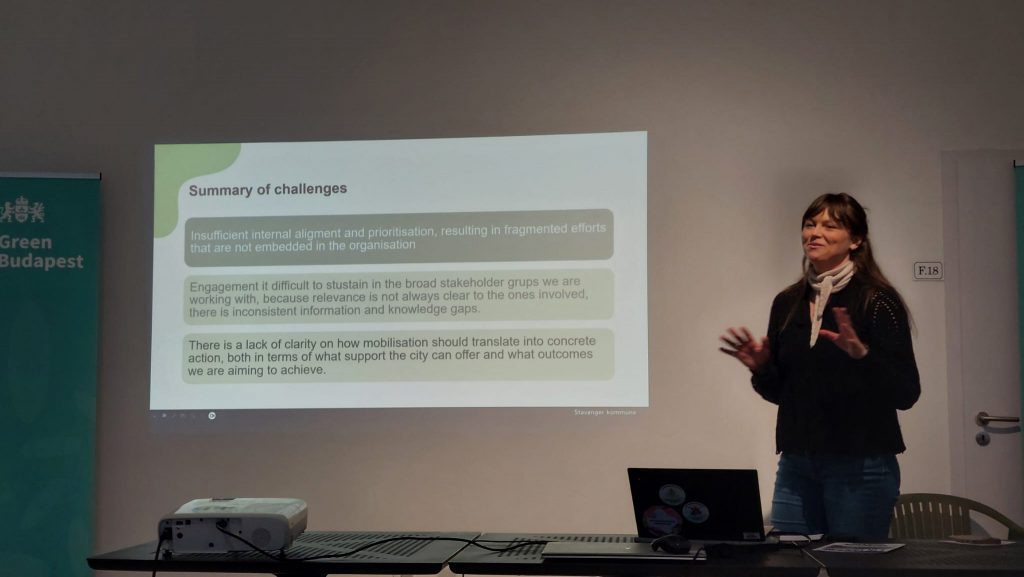
The exchange between cities showed that climate neutrality required a change of role on the part of local administrations. Beyond their regulatory function, cities had to act as facilitators of strategic alliances, creating stable spaces for collaboration and aligning incentives across sectors. Trust, access to quality data, and transparency in commitments were established as fundamental pillars for progress.
Ultimately, the meeting in Budapest reinforced the idea that urban decarbonization did not depend solely on technical plans or regulatory frameworks, but on the ability of cities to build and sustain strong, results-oriented, and co-responsibility-based collaborative ecosystems.