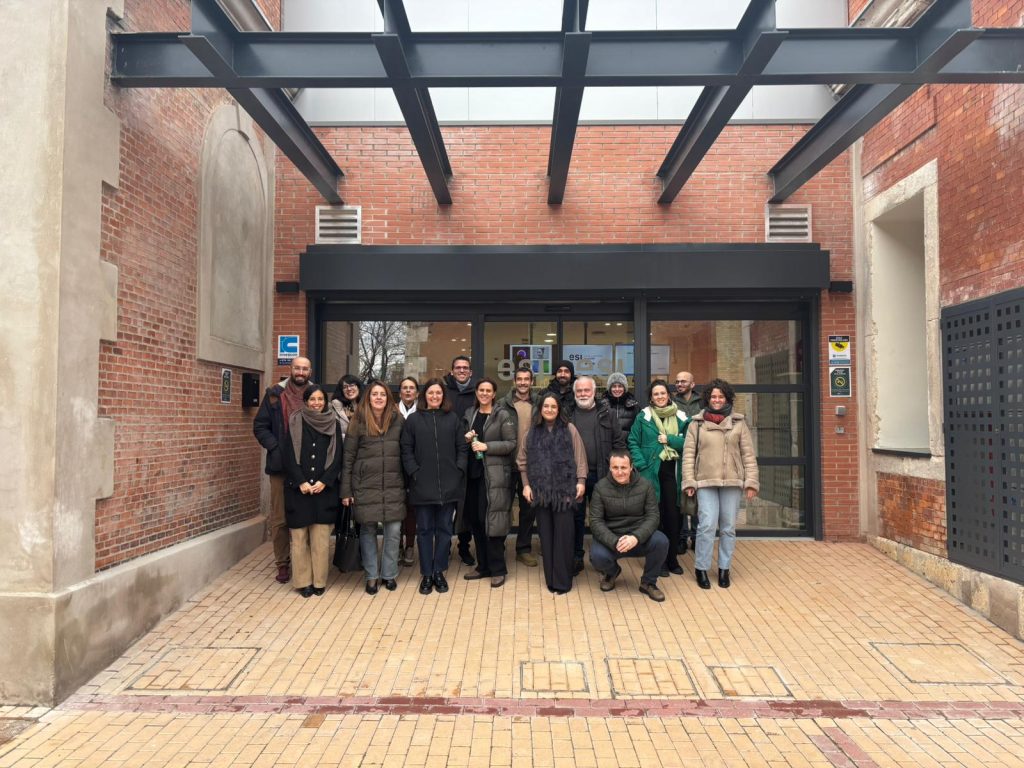

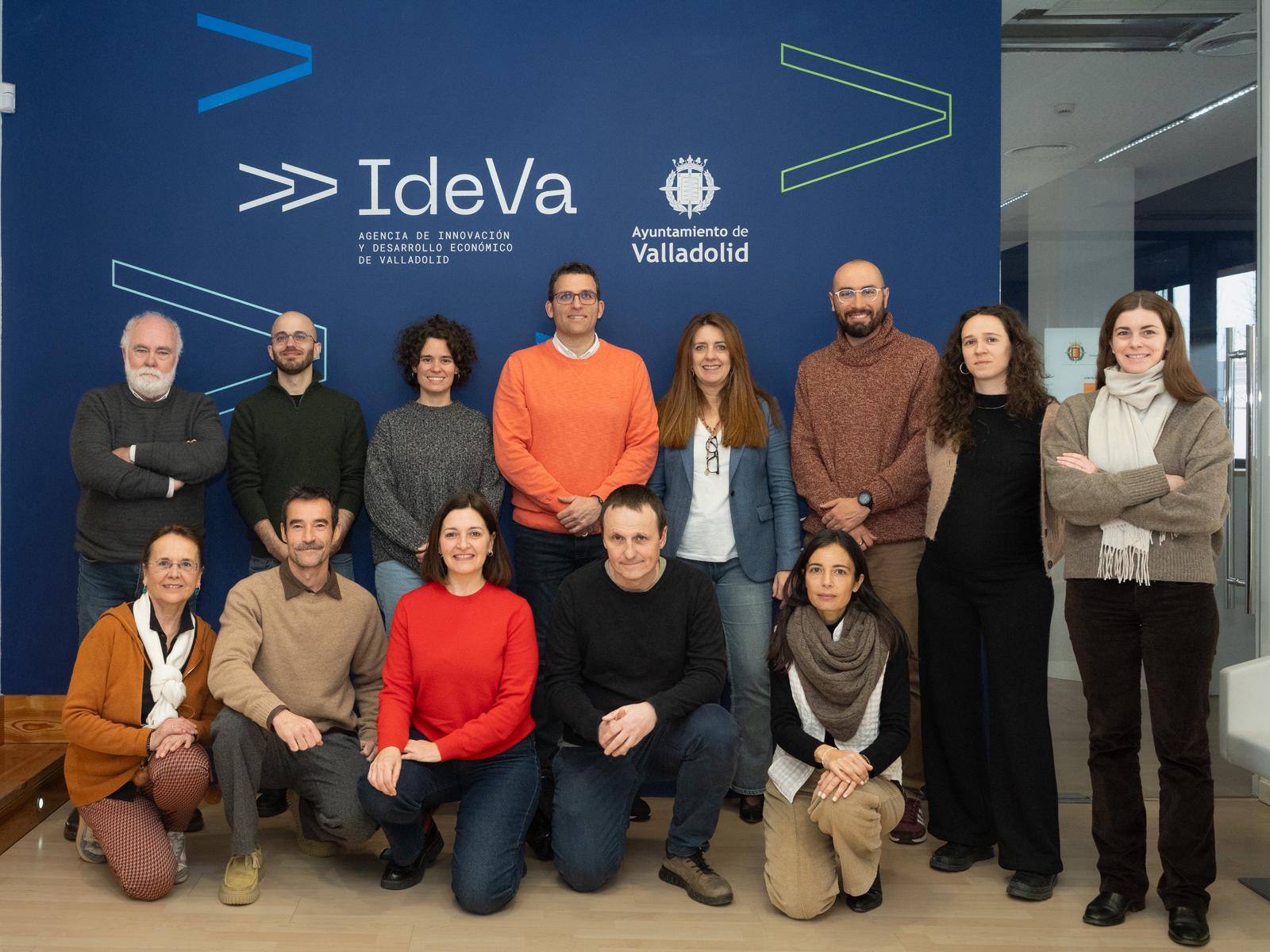
The URBANEW EMC3 workshop held in Valladolid marked a turning point in the project, focusing on making the leap from diagnosis to action in the field of urban energy rehabilitation. The objective was clear: to identify a priority solution for each city and define what can be implemented in the short term, moving beyond exclusive dependence on subsidies.
The sessions combined practical work and collective reflection, with a special focus on effective collaboration between cities as a necessary condition for implementation. Through peer work, cities shared lessons learned from various areas, such as the use of data and indicators for decision-making, the sustainability of local offices, and citizen participation in vulnerable neighborhoods, highlighting the importance of trust, continuity, and stable structures.
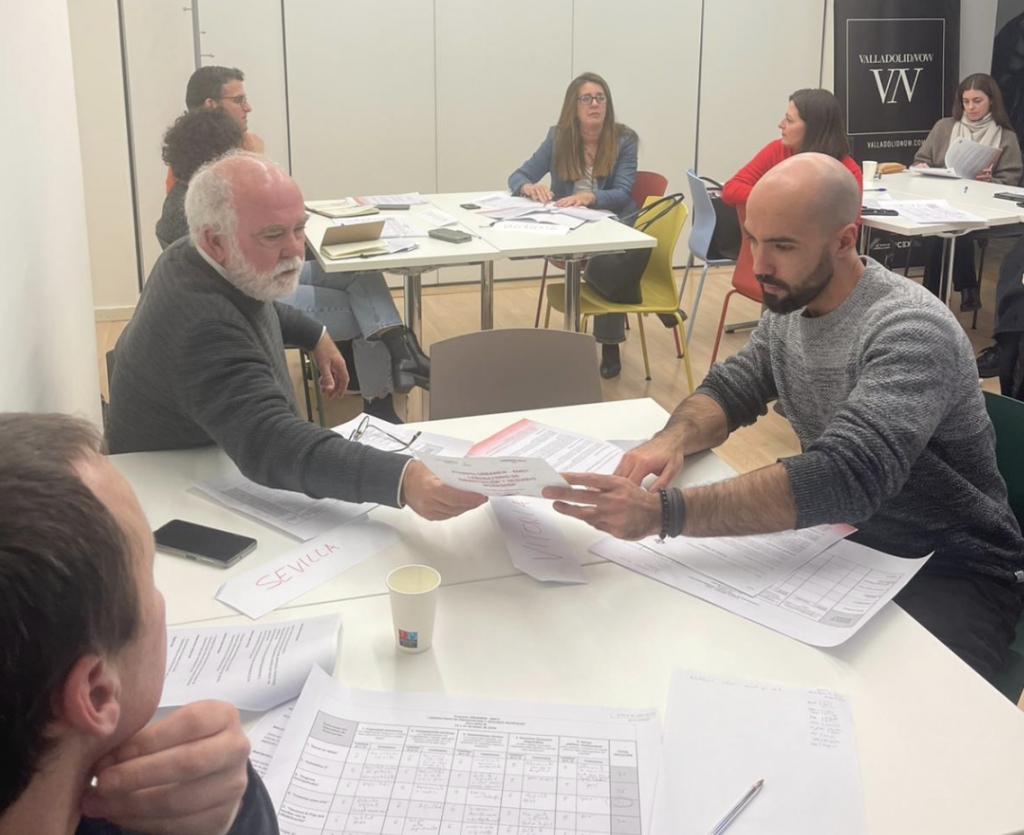
The work was based on the lessons learned from the Innovation Laboratory held within the framework of CONAMA Local, addressing seven key structural challenges and coming up with highly implementable solutions. These included new forms of public-private collaboration, guarantee models without increasing municipal debt, technical and social support for households, a more agile administration supported by digital and artificial intelligence tools, and the packaging of demand to reduce private risk.
All of this was coordinated through the CALMA strategy, understood as a framework for connecting cities, aligning priorities, promoting joint learning, and facilitating operational collaboration. The result was an exercise in prioritization and definition of next steps that reinforces a central idea of the project: urban transformation accelerates when cities collaborate and turn ideas into action.