
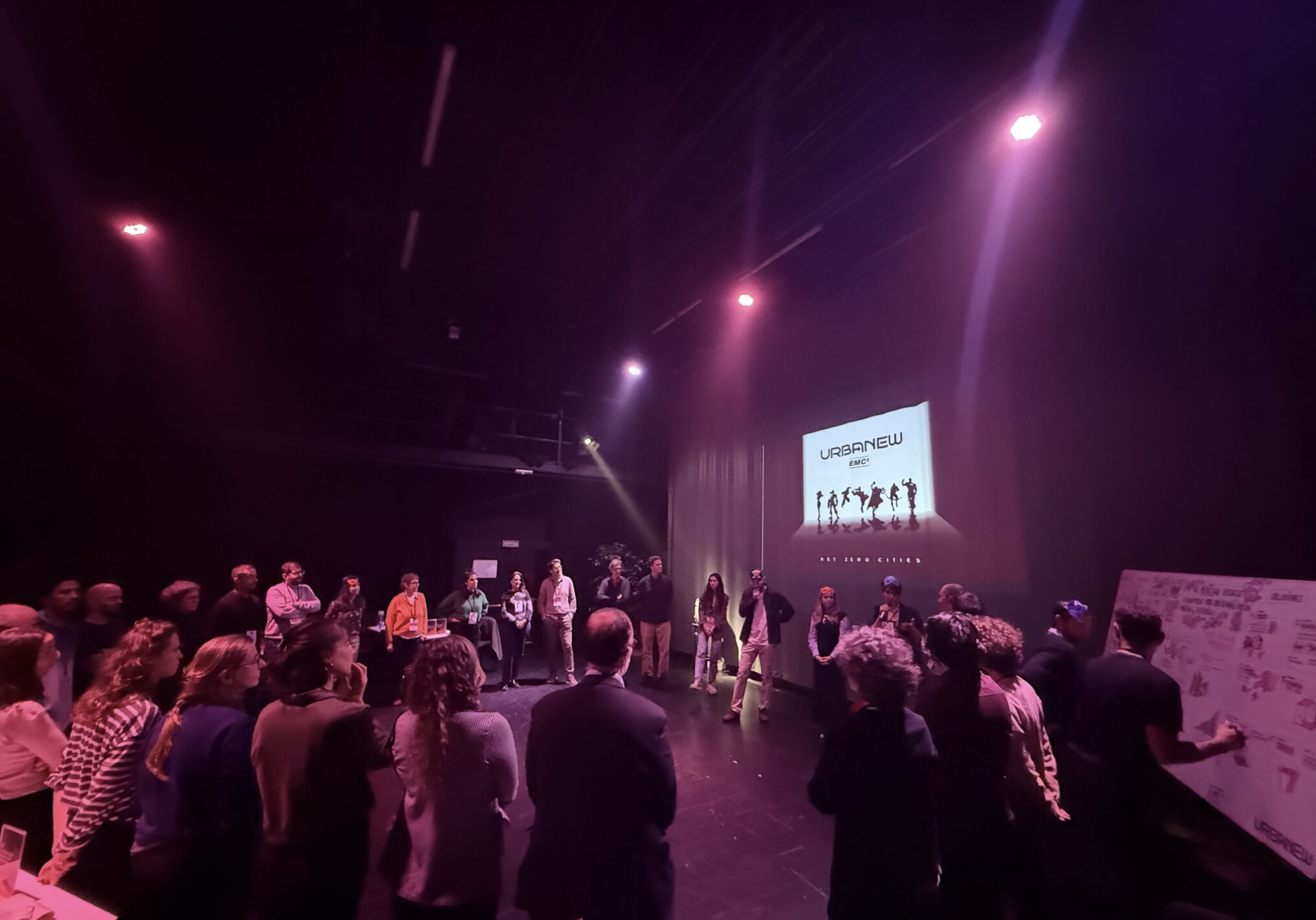
Within the framework of CONAMA Local 2025, the Spanish Mission Cities took another step forward in addressing one of the great challenges of urban transition: how to activate large-scale neighborhood regeneration in a context where subsidies alone are no longer sufficient. The meeting brought together cities, technical teams, policy makers, energy and rehabilitation experts, and financial agents with a shared desire to explore new responses based on a collaborative approach.
The laboratory held in Viladecans, promoted within the European URBANEW EMC3 project, was based on a diagnosis co-created by the cities themselves and other actors in the ecosystem. From this common starting point, the work focused on identifying financial structures and mechanisms capable of mobilizing public and private resources, reducing barriers to entry, and strengthening social equity in urban regeneration processes.
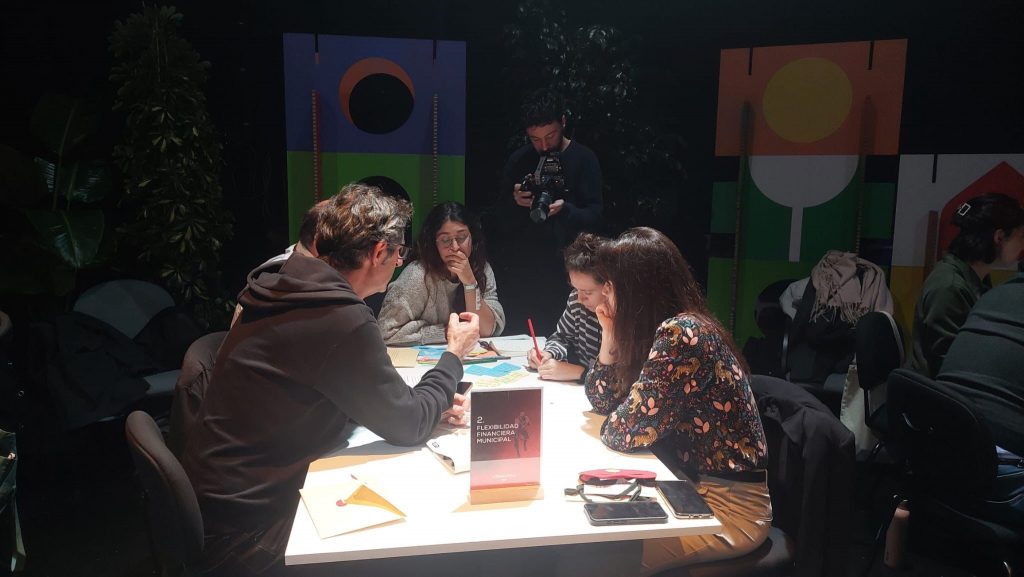
Through participatory dynamics, the conversation quickly moved from analysis to action. Far from abstract approaches, the laboratory allowed ideas to be contrasted with the operational reality of the territories and realistic solutions to be put on the table to unblock processes that are currently limited by a lack of initial liquidity, administrative complexity, or the difficulty of transferring financial instruments to citizens.
Among the lessons shared, some key ideas clearly emerged. The neighborhood level was confirmed as the level where real impact occurs, not only from a technical point of view, but also from a social and community perspective. It also became clear that many projects are not held back by a lack of subsidies, but by the impossibility of anticipating resources in the initial phases. And the need for flexible, understandable financial vehicles adapted to the real capacities of citizens was emphasized.
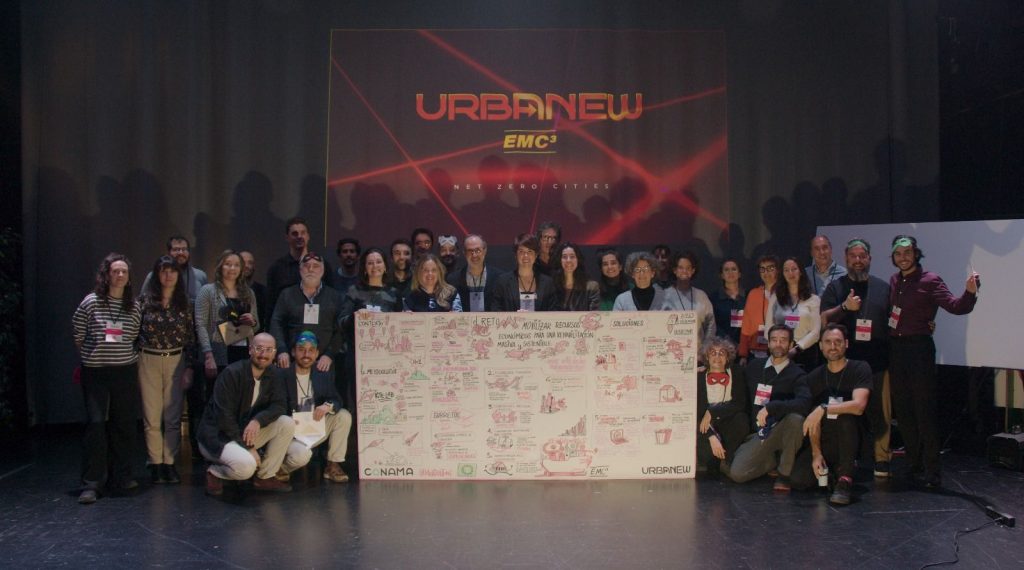
Based on this shared analysis, preliminary proposals emerged that each city will need to compare and evaluate internally within the framework of its own planning processes. Beyond the specific results, the value of the laboratory lay in the opportunity to share perspectives, compare levels of maturity, and generate a common understanding of the real limits and opportunities of each territory.