
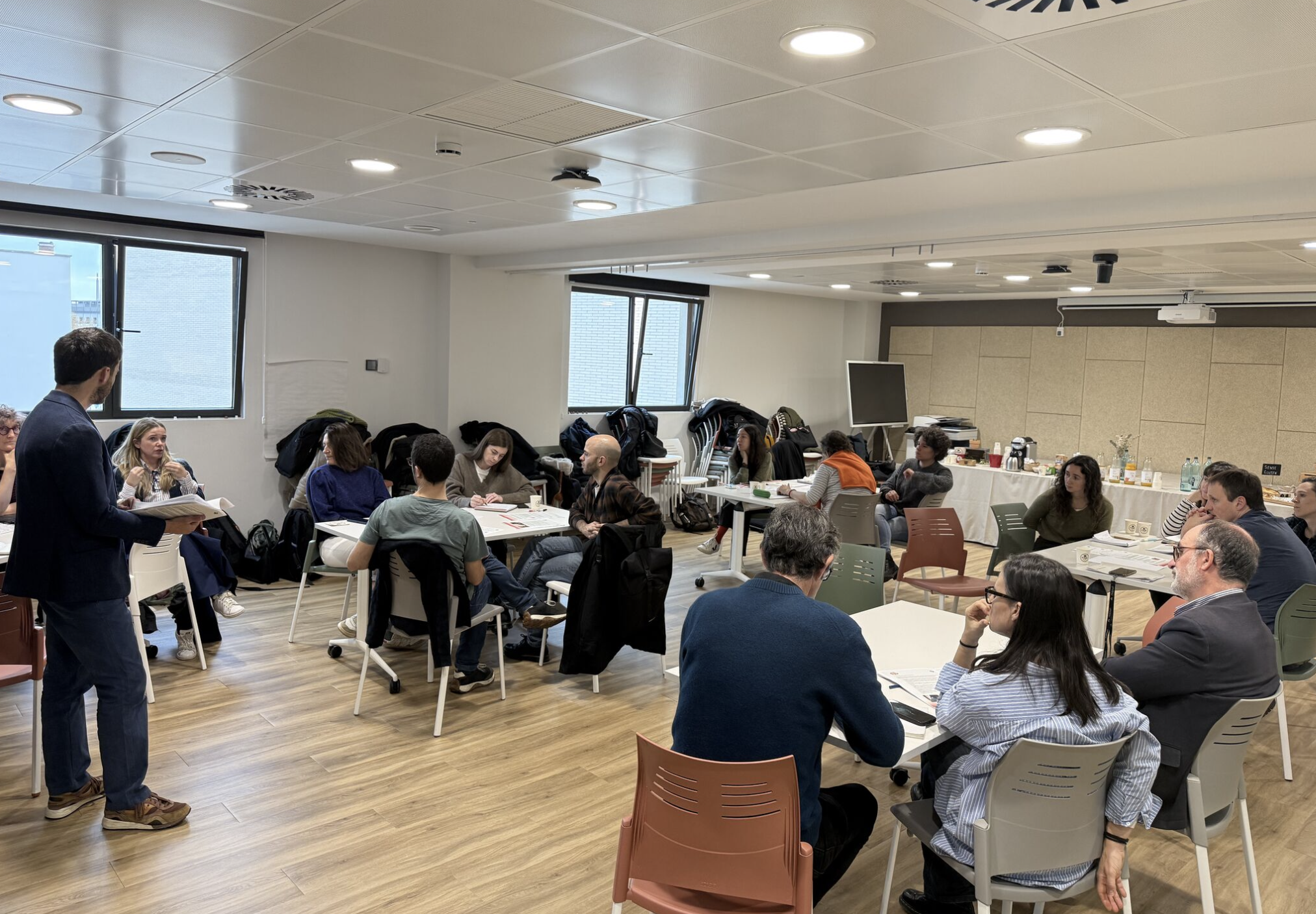
Barcelona hosted one of the key workshops of the URBANEW EMC3 project, with a clear objective: to move from shared diagnosis to strategic decision-making that will accelerate urban energy rehabilitation from a realistic, coordinated, and implementation-oriented perspective.
The meeting brought together representatives from the consortium cities, technical teams, expert entities, and project coordinators to build on the lessons learned from the previous Innovation Lab and implement solutions based on the capacity, context, and real priorities of each territory. The starting point was the eight structural solutions identified in the strategic planning laboratory, which were analyzed from a practical perspective, taking into account their degree of maturity, the available resources, and the political and institutional context of each city.
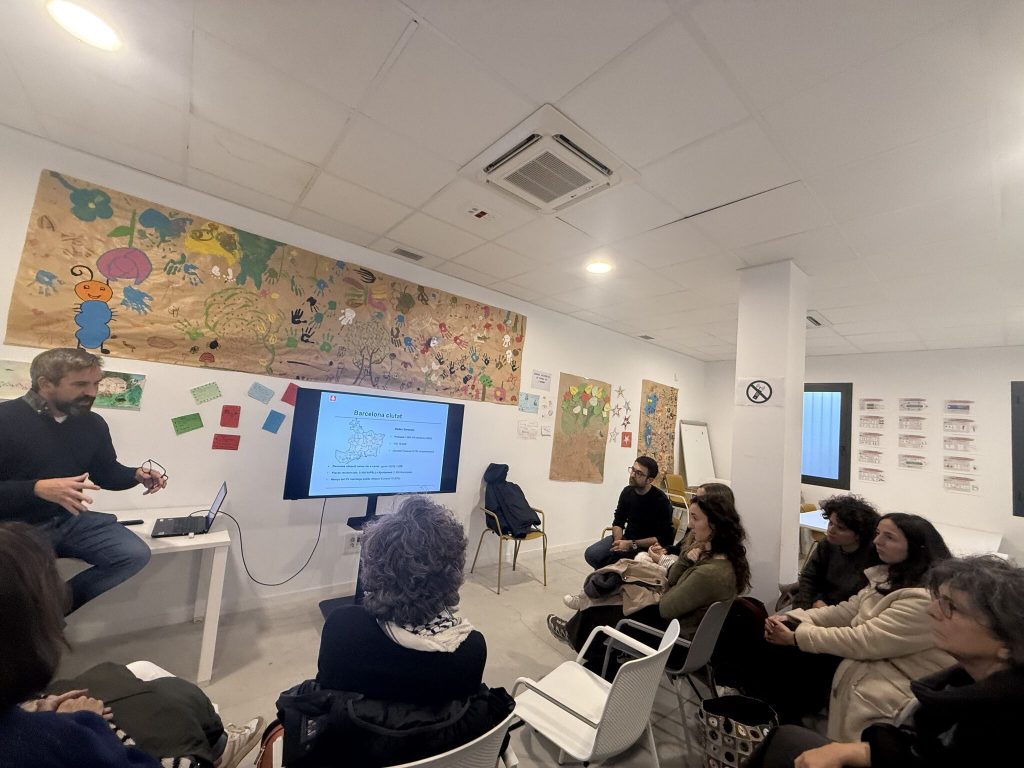
This exercise showed that, although the challenges are shared (funding, interdepartmental coordination, data, citizen participation, and support for households), priorities and capacities vary significantly between cities. Far from defining a single roadmap, the workshop helped to build a shared vision based on complementarity. Several cross-cutting themes emerged throughout the sessions: the role of data and information systems for more accurate and tailored planning; the importance of neighborhood-level territorial work and participatory processes to build trust and a culture of rehabilitation; the strengthening of internal coordination and multilevel governance; and the formation of municipal teams as a key element in sustaining strategies over time.
One of the main lessons learned from the workshop is that the value of the project lies in the diversity of approaches and degrees of progress in different cities, which allows solutions to be contrasted with urban reality and encourages continuous cross-learning between territories.