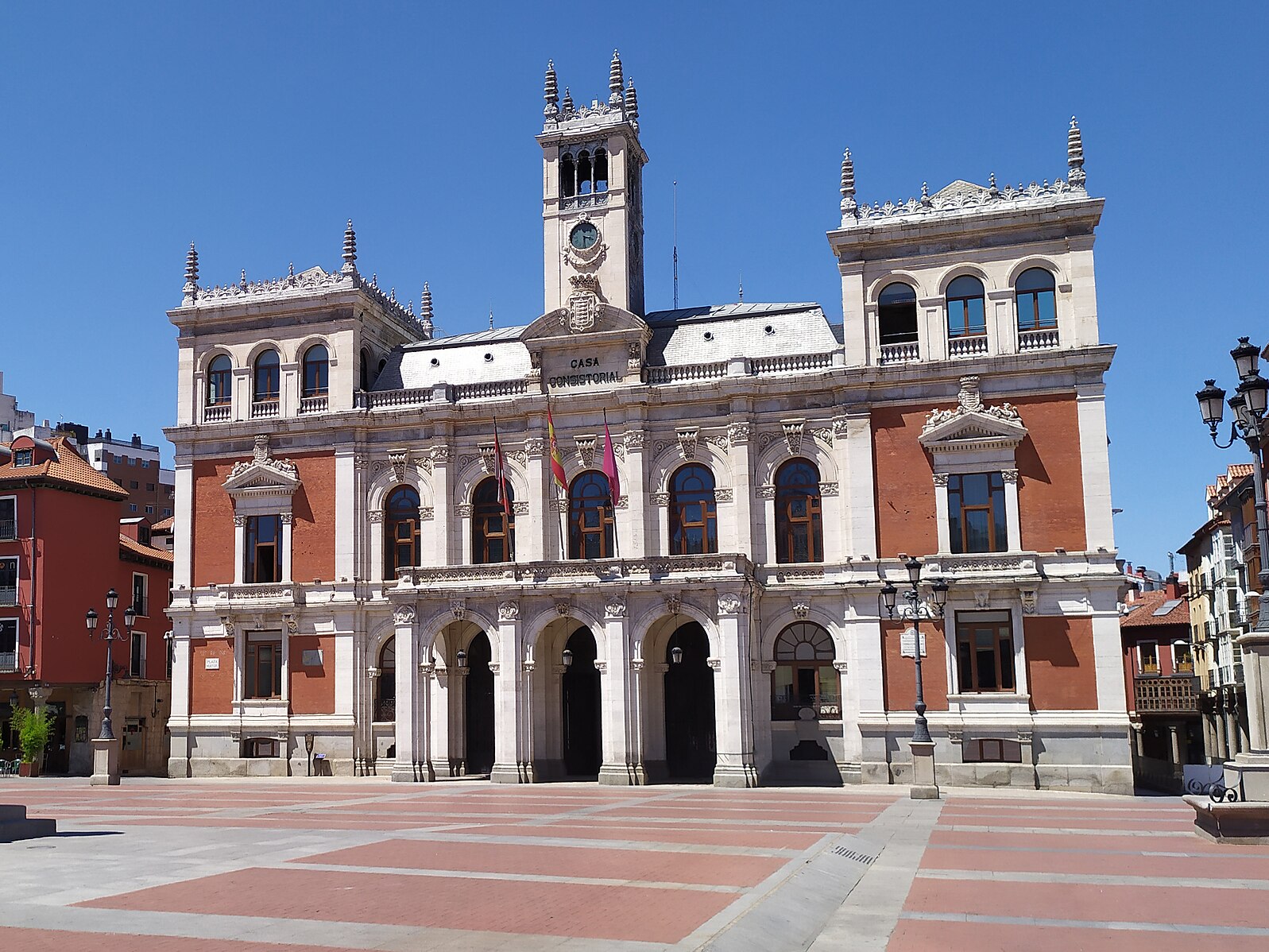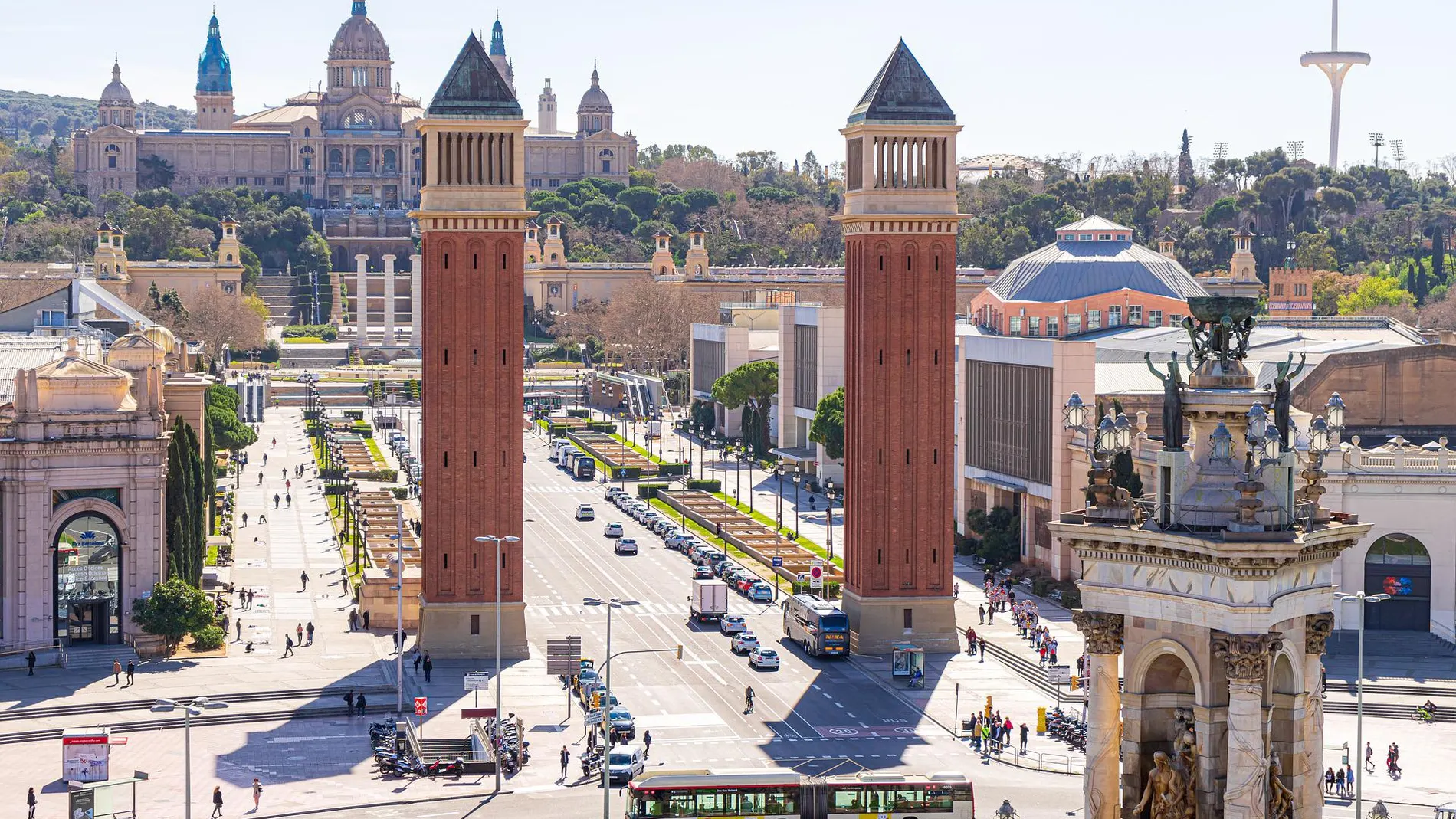

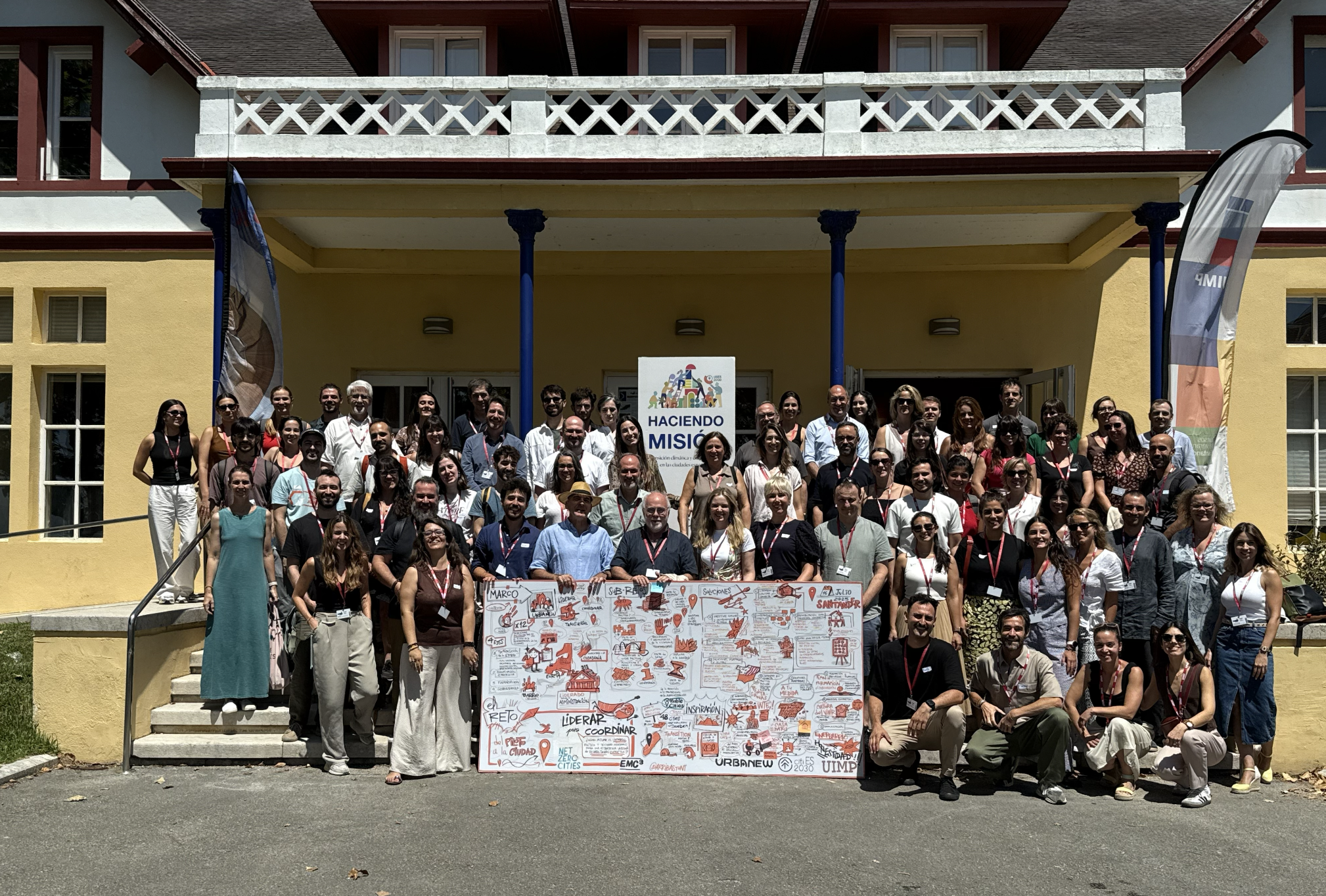
As part of the summer course at Menéndez Pelayo International University, one of the leading institutions in the ecosystem linked to the European Mission of Cities, an open innovation laboratory was held with the aim of strengthening strategic urban planning for energy rehabilitation, within the context of the European URBANEW EMC3 project.
The course, entitled "Haciendo Misión" (Doing Mission), addressed during its first few days some of the main challenges facing Spanish Mission Cities on their path to climate neutrality by 2030. Climate finance, strategic public procurement, new European regulatory frameworks (such as the revision of the Energy Efficiency Directive for Buildings), and the need for effective multi-level coordination set the context in which the laboratory subsequently took place.
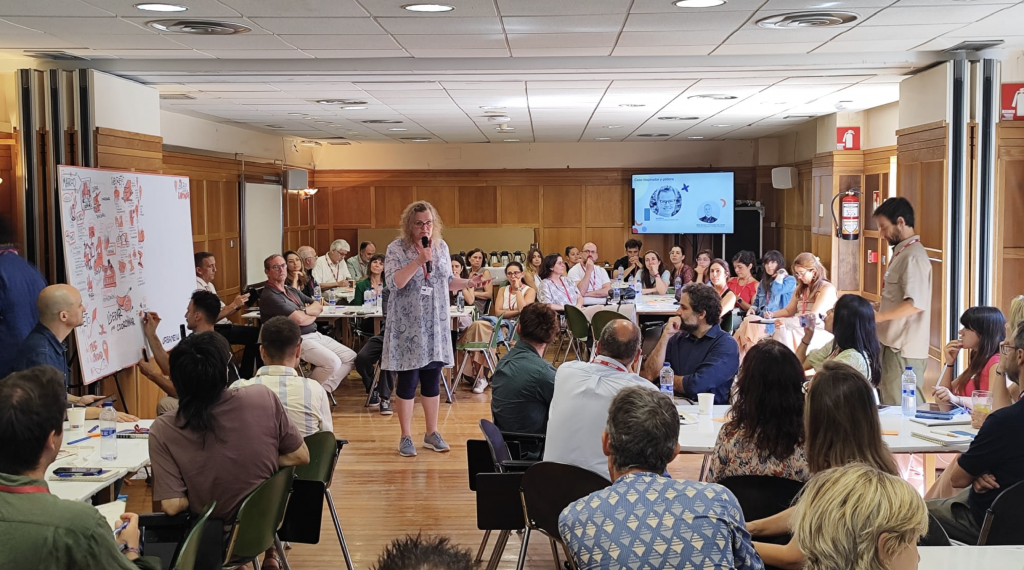
The working session, held on July 16, brought together political and technical representatives from the seven Spanish Mission Cities (Barcelona, Madrid, Seville, Valencia, Valladolid, Zaragoza, and Vitoria-Gasteiz), along with technical staff from different municipal areas, academics, research centers, and European organizations. The objective was clear: to create a practical workspace that would enable progress to be made from broad strategic frameworks towards more coordinated, realistic urban decisions that are connected to the operational capacity of cities.
During the workshop, the cities collectively explored some of the structural challenges that condition urban action in the field of energy rehabilitation. These included institutional coordination between municipal departments, the role of political leadership in unblocking processes, the integration of rehabilitation into existing urban strategies, communication with citizens, and the strategic use of data as a basis for better decision-making.
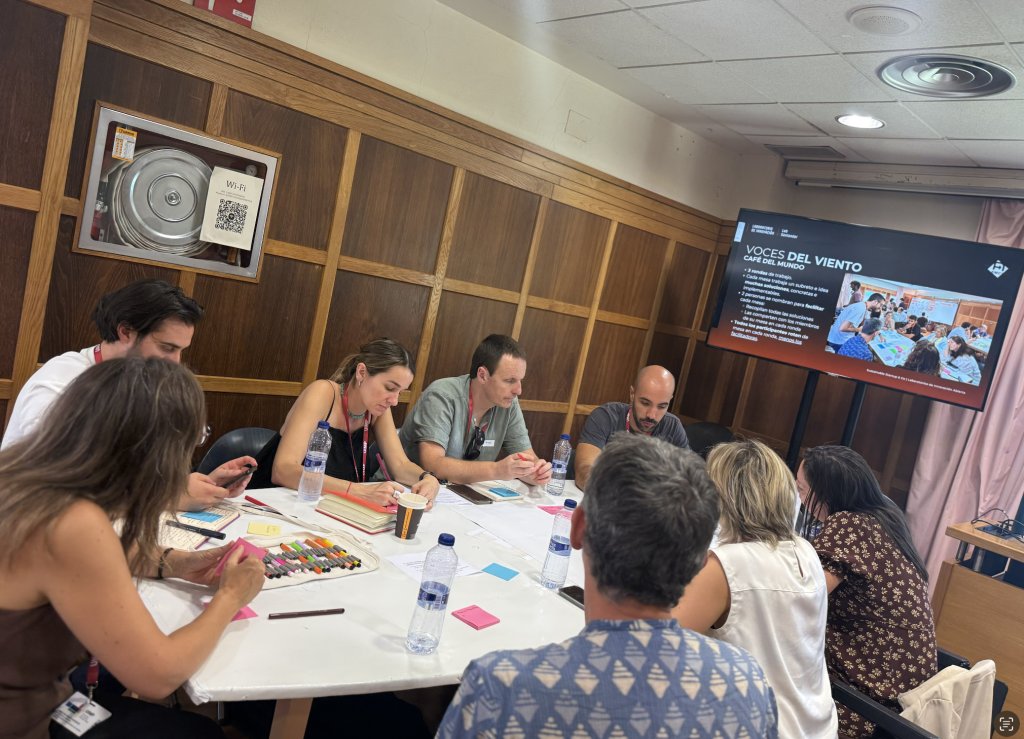
Based on this shared analysis, preliminary proposals emerged that each city will need to compare and evaluate internally within the framework of its own planning processes. Beyond the specific results, the value of the laboratory lay in the opportunity to share perspectives, compare levels of maturity, and generate a common understanding of the real limits and opportunities of each territory.